
Find out how to keep sciatica from returning with key prevention strategies and rehab guidance from Summit Osteo & Performance Ringwood.
Bayley Forbes is an osteopath and strength & conditioning coach based in Ringwood, Victoria. He founded Summit Osteo & Performance to help people bridge the gap between treatment and performance — combining hands-on care with tailored movement and strength programs to support long-term recovery and better performance.
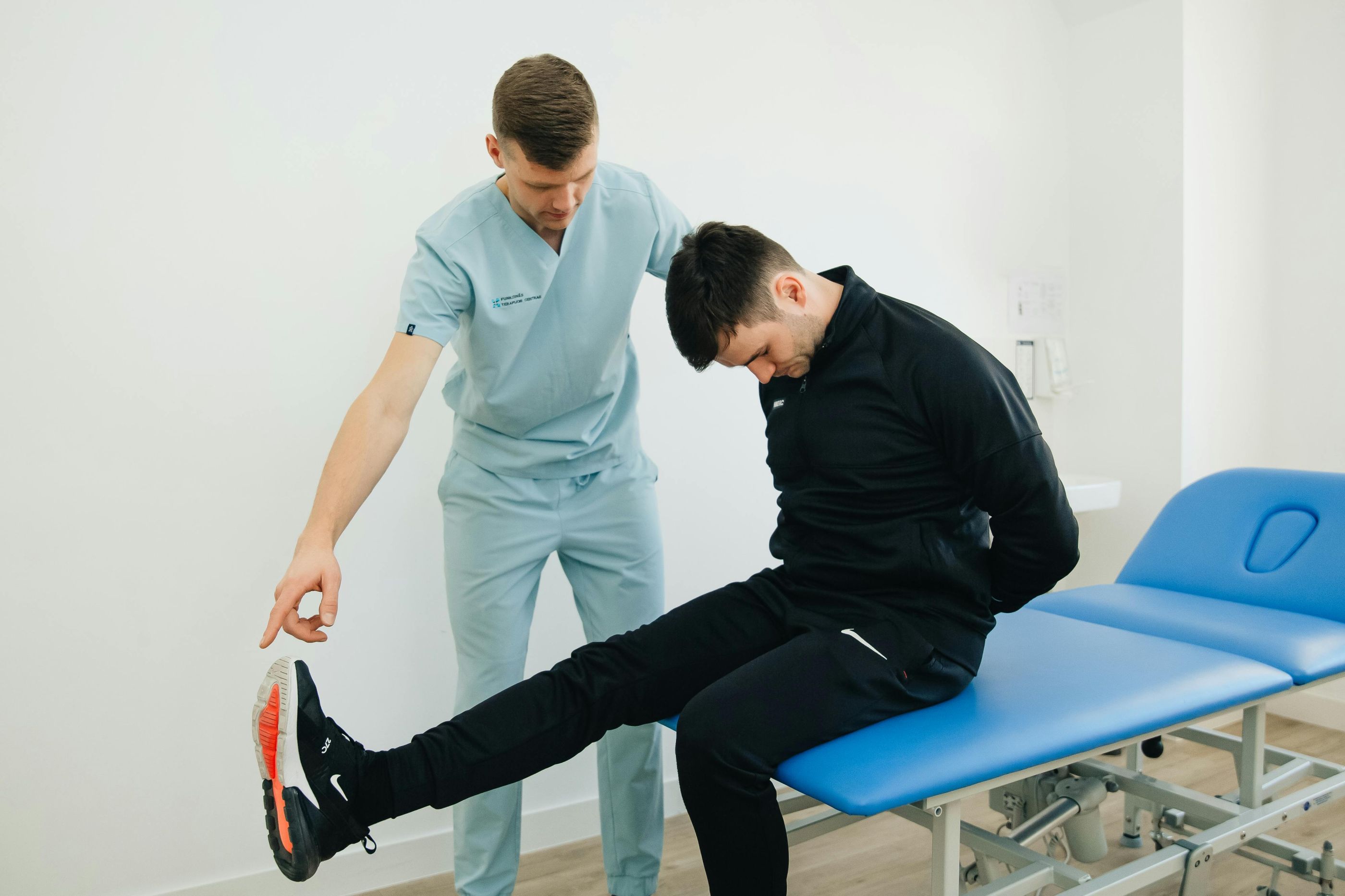
After recovering from sciatica, it’s common to feel hesitant about returning to normal activity.
While symptoms may fade, the underlying factors — muscle weakness, poor posture, or limited mobility — can linger and increase your risk of recurrence.
At Summit Osteo & Performance in Ringwood, we help patients stay pain-free by addressing both the cause and contributing habits behind sciatica.
Here’s how to reduce the risk of it returning.
Long periods of sitting or inactivity can increase stiffness and pressure around the lower back and hips.
Make movement part of your day:
Stand up or walk every 30–45 minutes
Include light stretching or mobility work during breaks
Choose low-impact exercise like walking, cycling, or swimming
Consistent movement keeps muscles and joints flexible and the sciatic nerve gliding smoothly.
Weakness in the glutes and deep core muscles is a major contributor to recurring sciatica.
Focus on:
Glute bridges and clamshells for hip control
Dead bugs or bird dogs for core stability
Side-lying leg lifts for lateral hip strength
Building strength in these areas improves spinal support and reduces load on the lower back.
Small posture habits can place prolonged stress on your lower spine.
Check that:
Your chair supports your lumbar curve
Feet are flat on the floor
Screens are at eye level to avoid slouching
These small adjustments help keep your spine neutral and reduce compression.
Returning too quickly to high-intensity exercise can flare up symptoms.
Progress load gradually — whether that’s lifting, running, or sport-specific work.
An osteopath can guide load tolerance testing to ensure safe progression without overloading the spine.
Many people stop exercises once symptoms disappear, but consistency is what prevents recurrence.
Continue mobility, core, and glute work even after you’re pain-free.
If symptoms return, early intervention can prevent a full flare-up.
If you notice early signs of tightness, tingling, or leg pain, get assessed before symptoms worsen.
Your osteopath can help modify activity, provide hands-on treatment, and adjust your program to keep you moving safely.
Book an Appointment
or learn more on the Sciatica Treatment in Ringwood page.
✅ Internal Links
Sports Rehabilitation in Ringwood
Sciatica Treatment in Ringwood
⚠️ Disclaimer
This article is for general information only and does not replace individual medical advice.
If you’re experiencing pain or discomfort, please consult your healthcare professional or osteopath for assessment.
