
Discover how tendinopathy develops, why rest isn’t always the answer, and how osteopathy and rehab at Summit Osteo & Performance Ringwood can help.
Bayley Forbes is an osteopath and strength & conditioning coach based in Ringwood, Victoria. He founded Summit Osteo & Performance to help people bridge the gap between treatment and performance — combining hands-on care with tailored movement and strength programs to support long-term recovery and better performance.
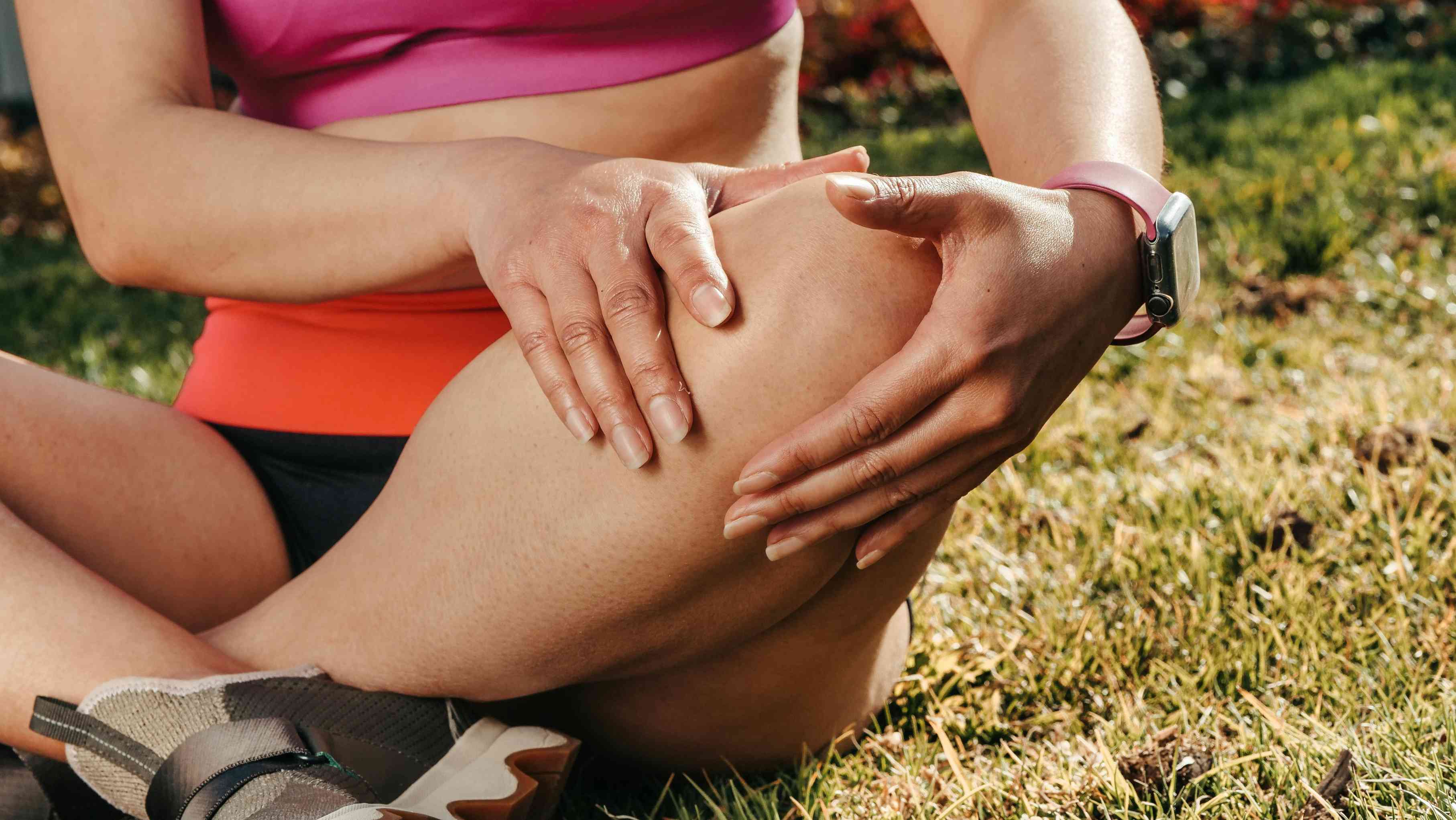
Tendinopathy is one of the most common overuse injuries seen in both athletes and active adults.
It causes pain, stiffness, and weakness around joints such as the shoulder, elbow, knee, ankle, and hip.
At Summit Osteo & Performance in Ringwood, we work with patients to identify the underlying cause of tendon pain and design structured treatment plans that rebuild tissue strength and function.
A tendinopathy occurs when a tendon — the tissue connecting muscle to bone — becomes irritated due to excessive or repetitive loading.
It’s different from a strain or tear; instead, it’s a gradual change in how the tendon responds to load.
Common sites include:
Achilles tendon (lower leg)
Patellar tendon (knee)
Rotator cuff (shoulder)
Elbow tendons (tennis or golfer’s elbow)
Gluteal tendons (hip)
Sudden increases in training volume or intensity
Poor load management or recovery
Muscle imbalance or weakness
Inadequate warm-up or mobility
Poor biomechanics or footwear
Tendinopathy typically builds up over time, often starting with mild stiffness before progressing to constant pain.
Osteopathic treatment focuses on reducing pain, improving tendon loading, and restoring efficient movement across the affected area.
Treatment may include:
Soft-tissue release and joint mobilisation
Gradual, evidence-based loading programs
Exercise progression for strength and endurance
Education on activity modification and recovery strategies
Unlike acute injuries, tendinopathy recovery relies heavily on progressive loading — not rest alone.
1. Load Gradually: Avoid large jumps in training volume or intensity.
2. Strengthen the Whole Chain: Address weaknesses in nearby joints and muscles.
3. Monitor Symptoms: Mild discomfort is acceptable; sharp pain is not.
4. Stay Consistent: Regular, structured exercise leads to long-term tendon health.
If tendon pain persists beyond a few weeks or worsens with activity, early assessment helps prevent chronic irritation and improves recovery outcomes.
Book an Appointment
or learn more on the Tendinopathy Treatment in Ringwood page.
✅ Internal Links
Sports Rehabilitation in Ringwood
Tendinopathy Treatment in Ringwood
⚠️ Disclaimer
This article is for general information only and does not replace individual medical advice.
If you’re experiencing ongoing tendon pain or stiffness, please consult your healthcare professional or osteopath for assessment.
