
Discover five key ways to return to sport faster and stronger after injury — guided by Summit Osteo & Performance’s sports rehab experts in Ringwood.
Bayley Forbes is an osteopath and strength & conditioning coach based in Ringwood, Victoria. He founded Summit Osteo & Performance to help people bridge the gap between treatment and performance — combining hands-on care with tailored movement and strength programs to support long-term recovery and better performance.
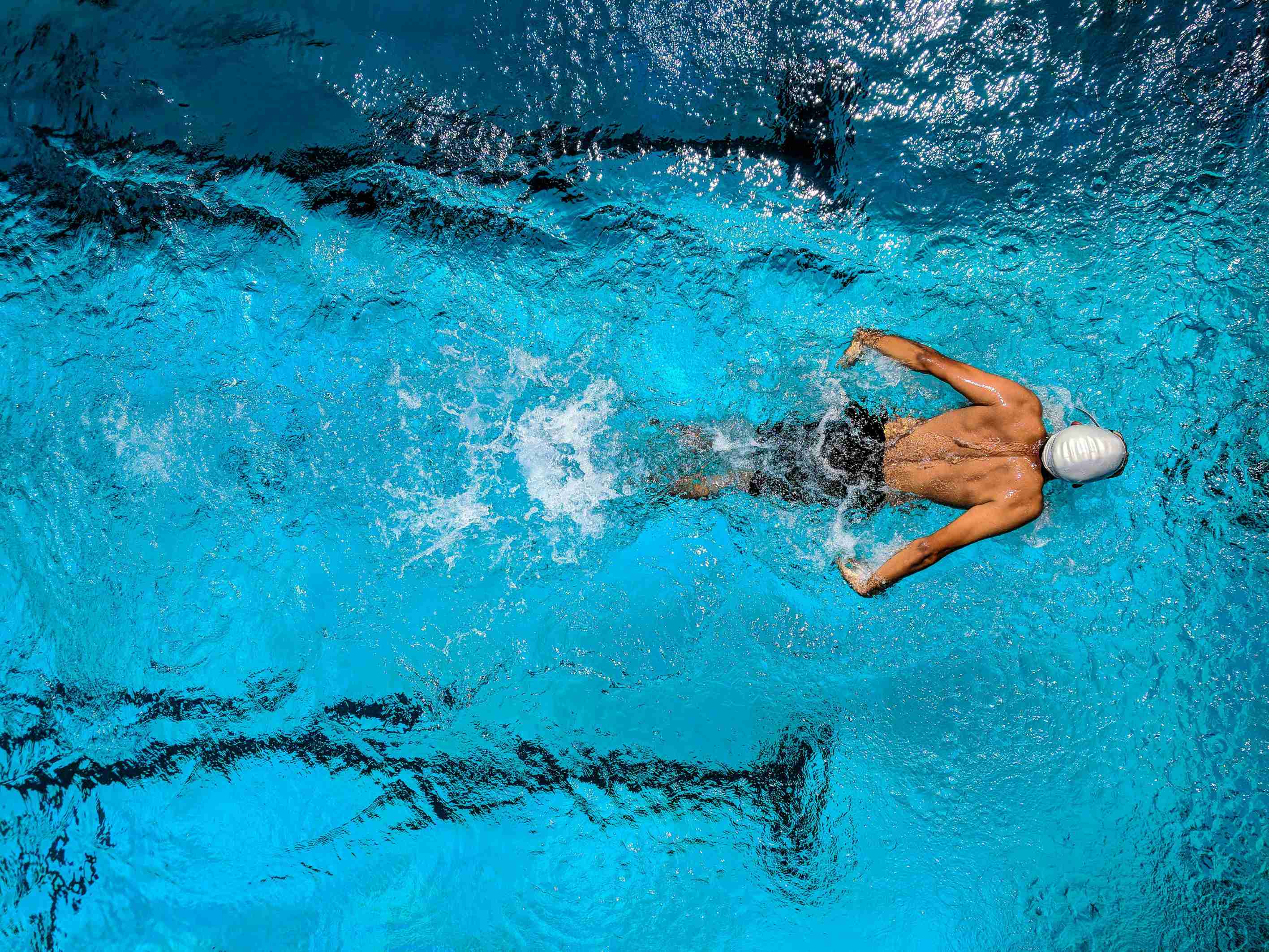
Every athlete wants to get back to their sport as quickly and safely as possible after injury.
At Summit Osteo & Performance in Ringwood, we understand that rushing recovery can lead to setbacks — but with the right structure, you can speed up your return without increasing your risk of re-injury.
Here are five evidence-based strategies that can help you get back on the field, court, or track sooner.
The first step in any sports rehab program is understanding exactly what caused your injury and how your body is responding.
Your osteopath or rehab coach will:
Assess the injured area and related joints
Identify load tolerance and range of motion
Outline a clear recovery timeline
This helps create a structured plan that focuses on what you can do — not just what you can’t.
Too often, people rest completely after injury — which can slow healing.
In most cases, training can (and should) continue, focusing on unaffected areas or controlled loading.
For example:
Lower body injury → focus on upper body and core work
Shoulder issue → maintain lower limb and cardio conditioning
Staying active supports circulation, mobility, and mental wellbeing — all of which help you return to sport faster.
Rehab isn’t about jumping straight back into your old program.
Instead, focus on progressive overload — increasing intensity, range, or volume gradually as pain allows.
At Summit Osteo & Performance, your sports osteopath in Ringwood will monitor this process to ensure each phase of your rehab builds toward performance, not just recovery.
Returning too quickly without addressing the original cause can set you up for another injury.
Your rehab should include:
Mobility or stability work for weak links
Strengthening around previously injured tissues
Biomechanical analysis to identify faulty movement patterns
Addressing these ensures you return stronger — not just pain-free.
A professional return-to-sport plan outlines milestones such as:
Pain-free range of motion
Strength and endurance benchmarks
Sport-specific drills and testing
Once these are met, your osteopath will clear you for full participation — safely and confidently.
Whether you’re recovering from a hamstring strain, shoulder injury, or ankle sprain, our sports rehab programs in Ringwood can help you move better, load stronger, and return to your sport faster.
> Book an Appointment
Or learn more on the Sports Rehabilitation in Ringwood page.
📍 Internal Links
Sports Rehabilitation in Ringwood
WorkCover & TAC Rehabilitation in Ringwood
⚠️ Disclaimer
This article is for general information only and does not replace individual medical advice.
If you’re experiencing pain or discomfort, please consult your healthcare professional or osteopath for assessment.
