
Shin splints develop when running load exceeds tissue capacity. Here’s why they occur, how to reduce irritation, and what helps runners return to comfortable training.
Bayley Forbes is an osteopath and strength & conditioning coach based in Ringwood, Victoria. He founded Summit Osteo & Performance to help people bridge the gap between treatment and performance — combining hands-on care with tailored movement and strength programs to support long-term recovery and better performance.
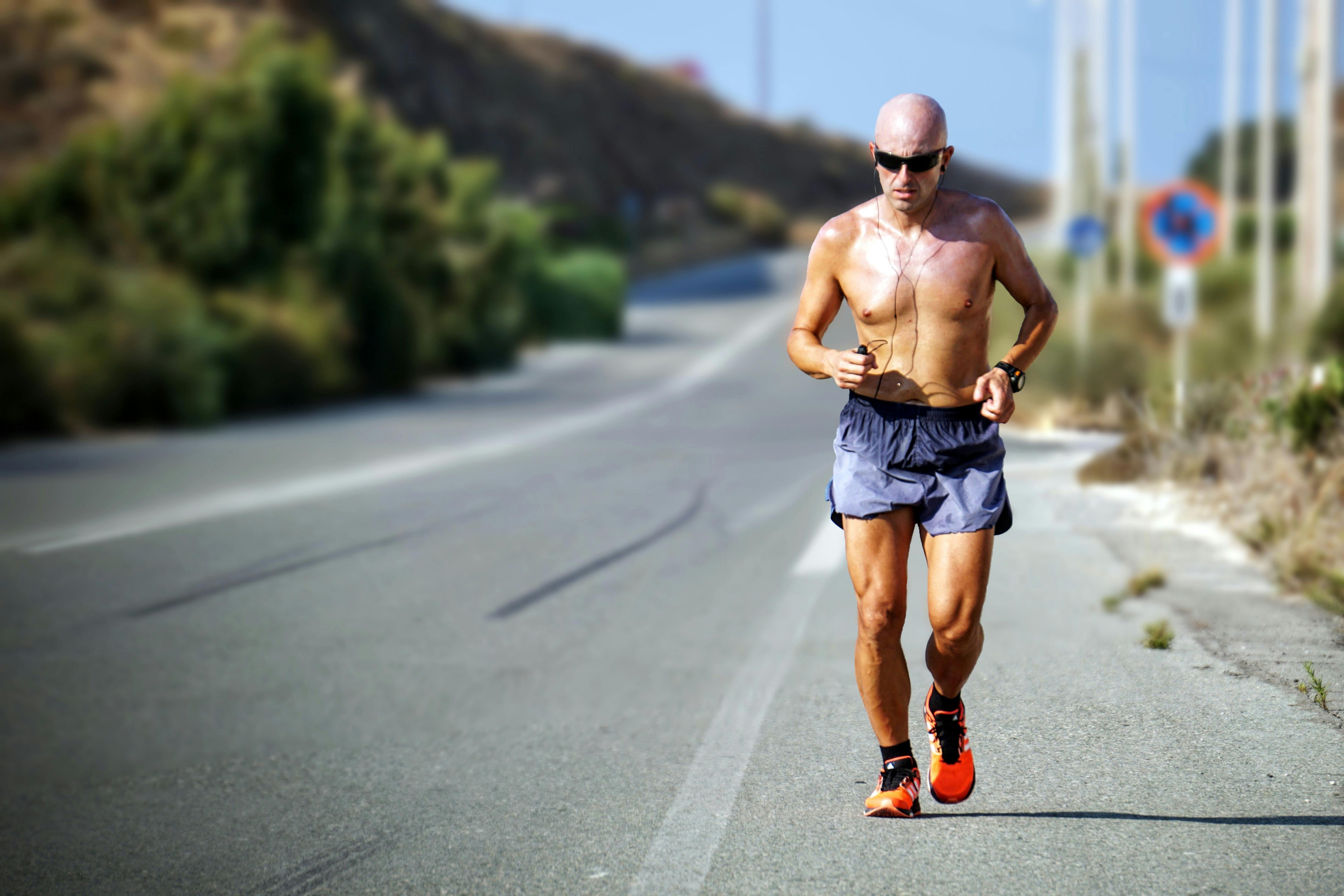
Shin splints — also known as medial tibial stress syndrome (MTSS) — are one of the most common running injuries. They cause pain along the inside of the shin, often early in runs or after load increases.
Contrary to popular belief, shin splints are rarely caused by “poor footwear” or “flat feet.” They develop due to overload, meaning the tissues around the tibia are being asked to tolerate more stress than they can currently manage.
The good news is that shin splints respond extremely well to load modification and strength training.
Shin splints occur when the muscles and connective tissues along the inner border of the tibia become irritated from repetitive loading.
Common contributors include:
• Sudden increases in running volume
• Adding hills or speed work too quickly
• Running on hard surfaces too often
• Calf weakness (especially soleus)
• Reduced ankle mobility
• Long steps or overstriding
• Inadequate recovery between sessions
These factors increase the pulling forces on the tibia and surrounding tissues.
Runners often describe:
A dull ache along the inside of the shin
Pain early in the run that sometimes warms up
Tenderness when pressing the inside of the shin
Pain returning after the run or the next morning
Discomfort with hopping or jumping
Shin splints occur on a spectrum — early irritation is easier to settle than long-standing pain.
Most cases develop shortly after a load spike such as:
Increasing weekly km too quickly
Introducing intervals, tempo or hill sessions
Returning from injury or time off
Starting new footwear without transition
Load management involves adjusting:
✔ Volume
✔ Intensity
✔ Terrain
✔ Frequency
Symptoms often settle quickly when load is matched to tissue capacity.
The calf complex absorbs large forces during running.
The soleus (deep calf muscle) is particularly important because it works hardest during mid-stance when the tibia moves forward over the foot.
Weakness here contributes to:
• Increased tibial loading
• Earlier fatigue
• Poor shock absorption
• Increased shin irritation
Strengthening the calf complex is one of the most effective rehab strategies.
Overstriding
Landing too far in front of the body increases tibial shock and loading.
Low cadence
Fewer steps per minute = larger loading per step.
Hard heel striking
Not inherently bad, but excessive tibial shock can irritate tissues.
Sudden terrain changes
Downhills increase braking forces and shin load.
Small changes often lead to big improvements.
✔ Load Adjustment
Reduce volume or intensity for 1–3 weeks, depending on severity.
Prioritise:
Easy runs
Softer surfaces
Shorter durations
Avoid:
Downhills
Hard intervals
High-impact plyometrics
✔ Strength Training
Key exercises include:
Bent-knee calf raises (soleus targeting)
Straight-knee calf raises (gastrocnemius)
Tibialis anterior endurance work
Step-downs
Glute strengthening for shock absorption
✔ Mobility Focus
Improve:
Ankle dorsiflexion
Soft tissue flexibility
Foot intrinsic control
✔ Cadence Adjustment
Increase cadence by 5–10% if overstriding is present.
✔ Gradual Return-to-Run Plan
Build volume slowly with structured progressions.
Increase load when:
✔ Pain during activity is mild (0–2/10)
✔ Pain settles within 24 hours
✔ Hop testing is comfortable
✔ Morning stiffness is minimal
✔ You can complete easy runs without worsening symptoms
Progression should be gradual to avoid re-irritation.
The information in this article is general in nature and does not constitute personalised medical or health advice. Always consult a qualified healthcare professional for assessment and guidance tailored to your individual needs
