
Saddle pain is common in cyclists and often relates to position, pressure, and tissue capacity—not the saddle itself. Here’s what actually drives saddle discomfort and how to improve it.
Bayley Forbes is an osteopath and strength & conditioning coach based in Ringwood, Victoria. He founded Summit Osteo & Performance to help people bridge the gap between treatment and performance — combining hands-on care with tailored movement and strength programs to support long-term recovery and better performance.
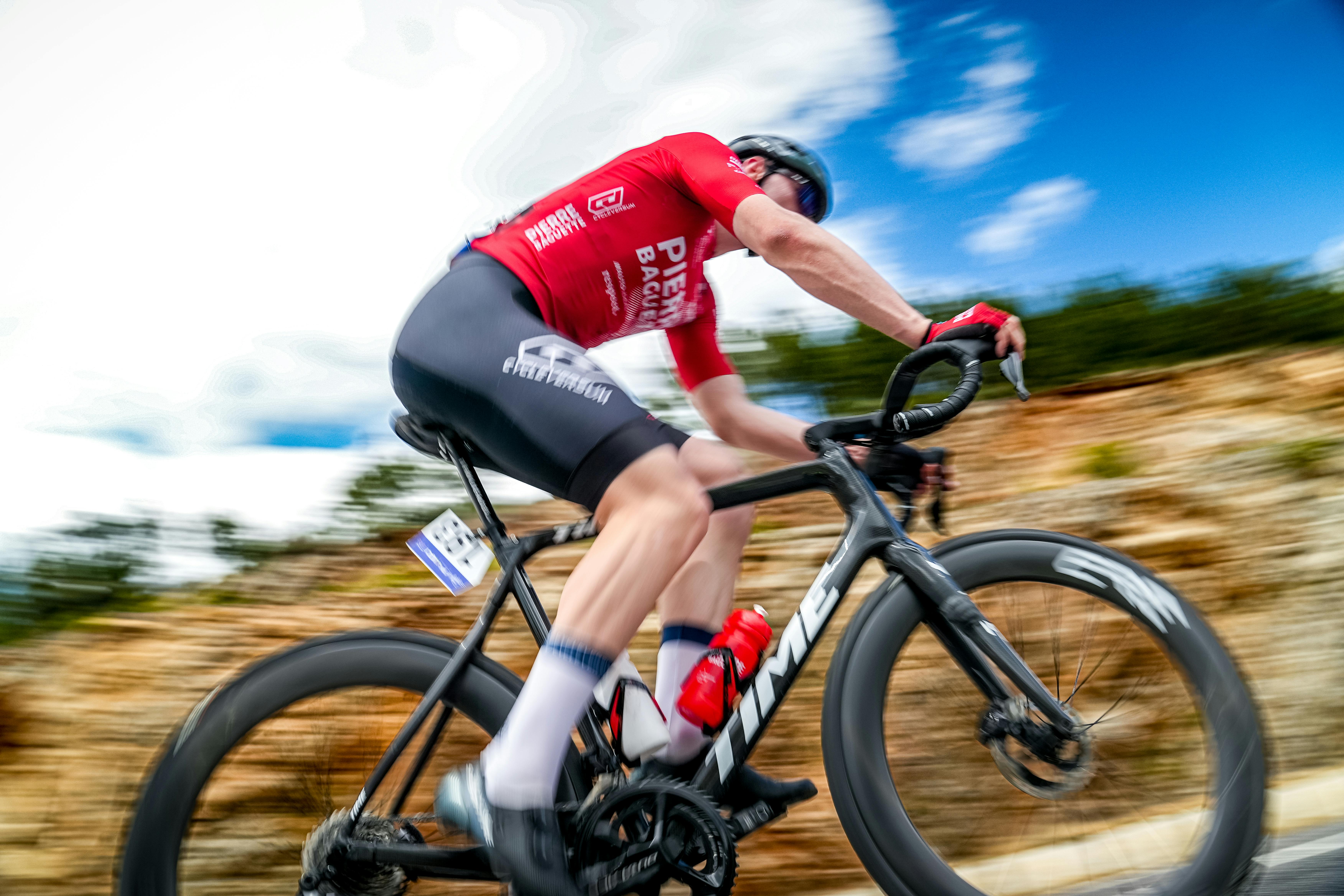
Saddle discomfort is one of the most frustrating issues for cyclists. Whether it’s pressure, numbness, rubbing, or deep tissue discomfort, the saddle often gets blamed first.
But in most cases, the saddle itself isn’t the true problem — it’s how the rider interacts with it.
Saddle comfort is influenced by:
Position
Pelvic stability
Strength
Tissue capacity
Ride duration
Load
Saddle height and tilt
Understanding why discomfort develops makes it much easier to resolve.
Saddle discomfort usually comes from how pressure is distributed, not from the saddle being “wrong.”
Common contributors to excess pressure:
• Pelvis not stable on the saddle
• Rocking side-to-side due to saddle height
• Leaning heavily onto one sit bone
• Weak trunk muscles leading to collapsing forward
• Excess weight transferred into hands → backward pressure
When pressure is evenly distributed, most riders feel significantly more comfortable.
Saddle height affects hip angle, pelvic motion, and pressure through the saddle.
Saddle too high:
Causes hip rocking
Creates friction and rubbing
Increases pressure on soft tissues
Leads to discomfort during climbing or tempo efforts
Saddle too low:
Increases hip flexion
Shifts pelvis forward
Reduces glute engagement
Increases pressure on the front of the saddle
Even 3–5 mm changes can alter comfort immediately.
Tilt determines how the pelvis rests and how much tissue pressure occurs.
Tilt too nose-down:
Rider slides forward
Hands absorb excessive load
Pelvis becomes unstable
Increased pressure through soft tissues
Tilt too nose-up:
Increases pressure at the front of the pelvis
Can cause numbness or deep tissue pain
Forces excessive lumbar flexion
Most riders do best with neutral to 1–2° nose-down.
Your pelvic position determines how you contact the saddle.
Contributors to pelvic discomfort:
• Limited hip mobility
• Reduced trunk endurance
• Being forced into excessive forward lean
• Fatigue causing posture collapse
Cyclists with lower hip mobility often shift into less efficient positions that increase pressure.
Saddle pain often appears when:
Ride volume increases quickly
Big rides lack breaks or position changes
Climbing demands more hip motion
Hard gear work increases forward lean
Recovery is low between sessions
Your tissues adapt to pressure, but rapid increases often lead to sensitivity.
When the trunk and hip muscles are stronger:
Pelvic position is more stable
Less rocking occurs
Less pressure goes through soft tissues
The rider doesn’t collapse onto the bars
Weight distribution improves
Helpful strength areas:
• Hip abductors
• Glutes
• Trunk endurance
• Pelvic stability drills
Equipment influences comfort, but not as much as riders expect.
Saddle considerations:
✔ Width matching sit bone width
✔ Cutout relieving central tissue pressure
✔ Shape matching riding posture
✔ Firmness for longer rides
Still, the same saddle can feel great or terrible depending on:
Height
Tilt
Reach
Hip control
Tissue conditioning
Equipment should be the last variable changed after position and strength.
✔ Adjust saddle height in 3–5 mm increments
✔ Set tilt close to neutral
✔ Reduce reach if sliding forward
✔ Strength train 2x per week
✔ Mix seated and standing efforts
✔ Increase ride duration gradually
✔ Increase cadence to reduce forward lean
✔ Break long rides into sections
Small, consistent adjustments create lasting improvement.
The information in this article is general in nature and does not constitute personalised medical or health advice. Always consult a qualified healthcare professional for assessment and guidance tailored to your individual needs.
