
Understand why knee pain is common in runners and how to manage and prevent it with professional guidance from Summit Osteo & Performance Ringwood.
Bayley Forbes is an osteopath and strength & conditioning coach based in Ringwood, Victoria. He founded Summit Osteo & Performance to help people bridge the gap between treatment and performance — combining hands-on care with tailored movement and strength programs to support long-term recovery and better performance.
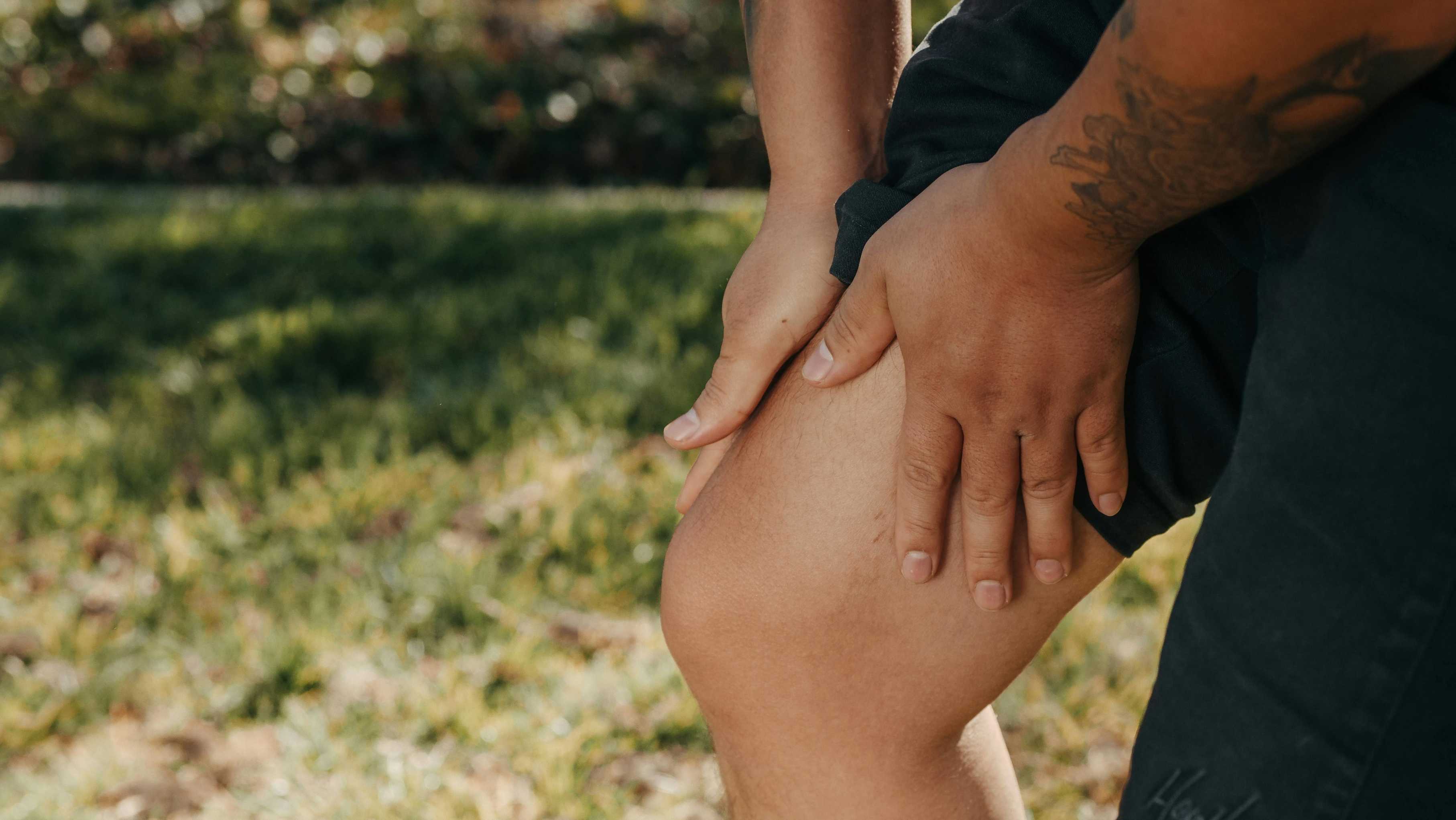
Running is one of the most accessible and rewarding forms of exercise — but it’s also one of the most common causes of knee pain.
At Summit Osteo & Performance in Ringwood, we regularly help runners manage and prevent injuries caused by poor loading, training errors, and movement inefficiencies.
Here’s what causes runner’s knee and how you can stay pain-free on the track, trail, or road.
“Runner’s knee” is a general term for pain around the kneecap (patellofemoral pain).
It develops when stress on the knee joint exceeds your body’s ability to recover — usually from a combination of muscle imbalance, technique, and training volume.
Symptoms include:
Pain at the front or around the kneecap
Discomfort when running, climbing stairs, or sitting for long periods
Occasional clicking or grinding sensation
Knee pain in runners can stem from several key factors:
Overtraining: Rapid increases in distance or intensity without proper recovery.
Weak hips or glutes: Reduced control through the pelvis affects knee alignment.
Poor running mechanics: Excessive inward knee movement or overstriding.
Footwear issues: Worn-out shoes or inappropriate support.
Limited ankle or hip mobility: Restricts efficient force transfer during running.
Each of these can overload the knee joint and surrounding structures over time.
1. Build Gradually: Follow the 10% rule — don’t increase weekly mileage by more than 10%.
2. Strength Train: Focus on hip, glute, and quad strength to support alignment.
3. Warm Up Properly: Include dynamic drills like leg swings, lunges, and light jogging before runs.
4. Prioritise Recovery: Schedule rest days and mobility work between sessions.
5. Check Footwear: Replace shoes regularly and ensure they match your running style.
Small adjustments to training load and movement control can dramatically reduce knee strain.
If pain persists beyond a week or worsens with activity, professional assessment is essential.
An osteopath can:
Identify underlying causes such as muscle imbalance or restricted joint movement
Provide hands-on treatment to reduce irritation
Design a specific rehab plan to restore strength and confidence
Book an Appointment
or learn more on the Knee Pain Treatment in Ringwood page.
✅ Internal Links
Sports Rehabilitation in Ringwood
Knee Pain Treatment in Ringwood
⚠️ Disclaimer
This article is for general information only and does not replace individual medical advice.
If you’re experiencing pain or discomfort, please consult your healthcare professional or osteopath for assessment.
