
Discover the key differences between rehabilitation training and regular workouts, and how sports rehab in Ringwood helps you move, perform, and recover better.
Bayley Forbes is an osteopath and strength & conditioning coach based in Ringwood, Victoria. He founded Summit Osteo & Performance to help people bridge the gap between treatment and performance — combining hands-on care with tailored movement and strength programs to support long-term recovery and better performance.
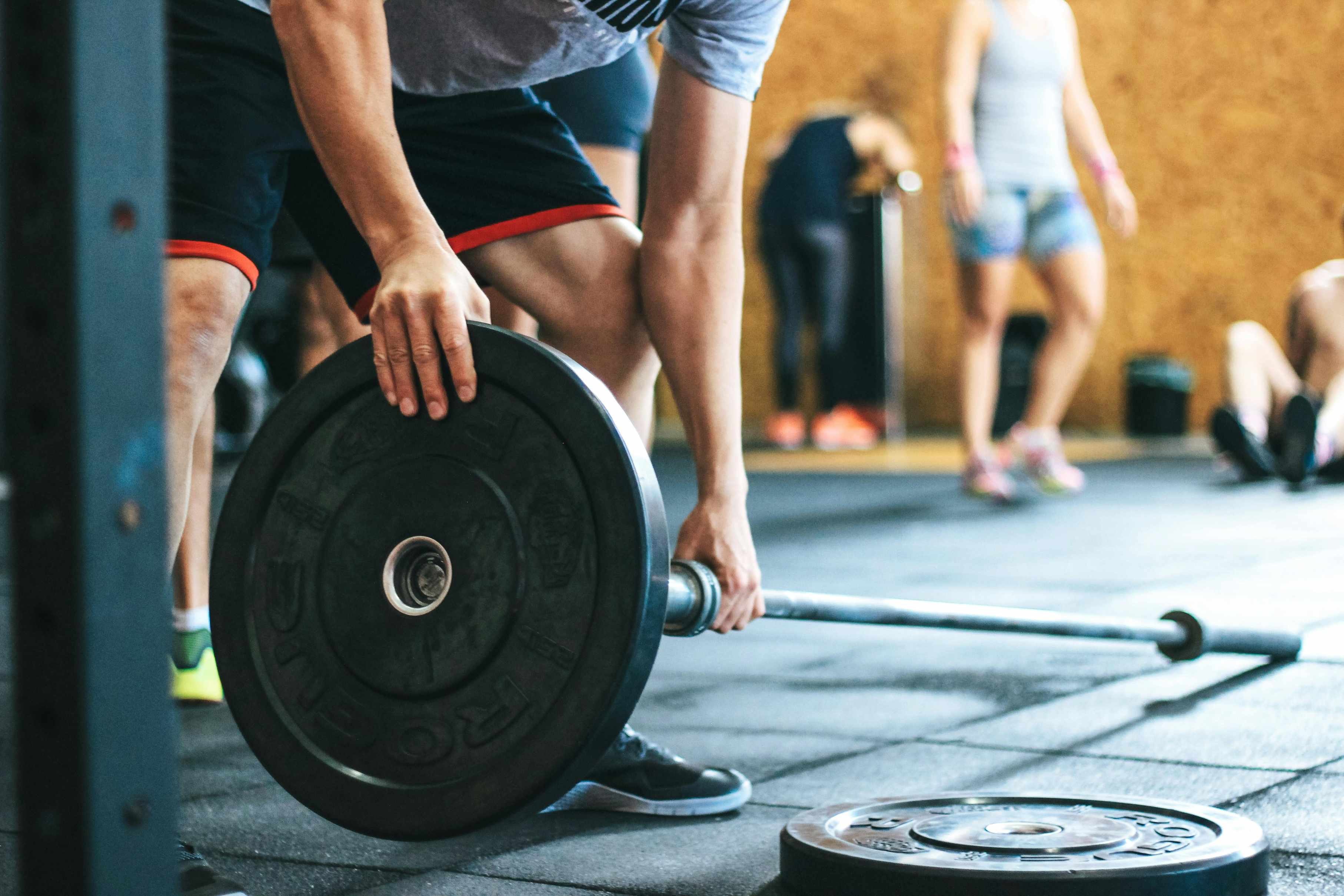
You might hit the gym regularly, play sport on weekends, or follow a structured workout program — but rehabilitation training isn’t the same as regular exercise.
At Summit Osteo & Performance in Ringwood, we focus on helping people bridge the gap between pain, recovery, and performance.
Rehab training is structured, progressive, and targeted — designed not just to get you stronger, but to help you move without pain.
The goal of sports rehab in Ringwood isn’t fitness for fitness’s sake — it’s recovery and resilience.
Rehab training focuses on:
Regular workouts build fitness; rehab builds function and confidence after injury.
Rehabilitation training focuses on rebuilding the foundations for pain-free movement.
It’s structured, gradual, and tailored — aiming to restore your body’s ability to move and load safely after injury.
In rehab training, we emphasise:
The goal is to help you return to your sport or activity stronger, not just pain-free.
Regular training, on the other hand, focuses on general strength, fitness, or performance goals.
It’s often guided by sets, reps, or performance metrics — not necessarily by pain response or movement quality.
While great for improving cardiovascular fitness or strength, general training doesn’t always address movement compensations or specific recovery needs.
That’s where rehab bridges the gap — ensuring you rebuild correct patterns before returning to unrestricted training.
At our Ringwood clinic, rehab isn’t about “easy” exercises — it’s about the right exercises.
We combine osteopathic principles with movement science to guide recovery through these phases:
1. Assessment & Baseline Testing – Understanding what movements or loads reproduce your symptoms.
2. Control & Mobility – Regaining safe range and smooth movement.
3. Strength & Load Tolerance – Progressive loading for tendons, joints, and muscles.
4. Return to Performance – Translating strength into sport or work function.
Each phase is tailored to your injury, sport, and recovery goals.
Doing too much too soon — or doing the wrong type of exercise — can set recovery back.
Working with an osteopath or sports rehab professional ensures:
Correct exercise selection
Load management suited to your stage
Feedback on form and progress
Clear milestones for return to training or competition
The goal is simple — move better, perform stronger, and avoid repeat injury.
If you’re training but still managing discomfort, or you’ve recently had an injury that isn’t resolving with rest, a sports rehab consultation can help reset your plan.
Book an Appointment Or learn more about our approach on the Sports Rehabilitation in Ringwood page.
📍 Internal Links
Sports Rehabilitation in Ringwood
WorkCover & TAC Rehabilitation in Ringwood
---
⚠️ Disclaimer
This article is for general information only and does not replace individual medical advice.
If you’re experiencing pain or discomfort, please consult your healthcare professional or osteopath for assessment.
