
Lower back pain during or after rides is common — and usually relates to position, load, or trunk endurance. Here’s what actually contributes to it and what helps long term.
Bayley Forbes is an osteopath and strength & conditioning coach based in Ringwood, Victoria. He founded Summit Osteo & Performance to help people bridge the gap between treatment and performance — combining hands-on care with tailored movement and strength programs to support long-term recovery and better performance.
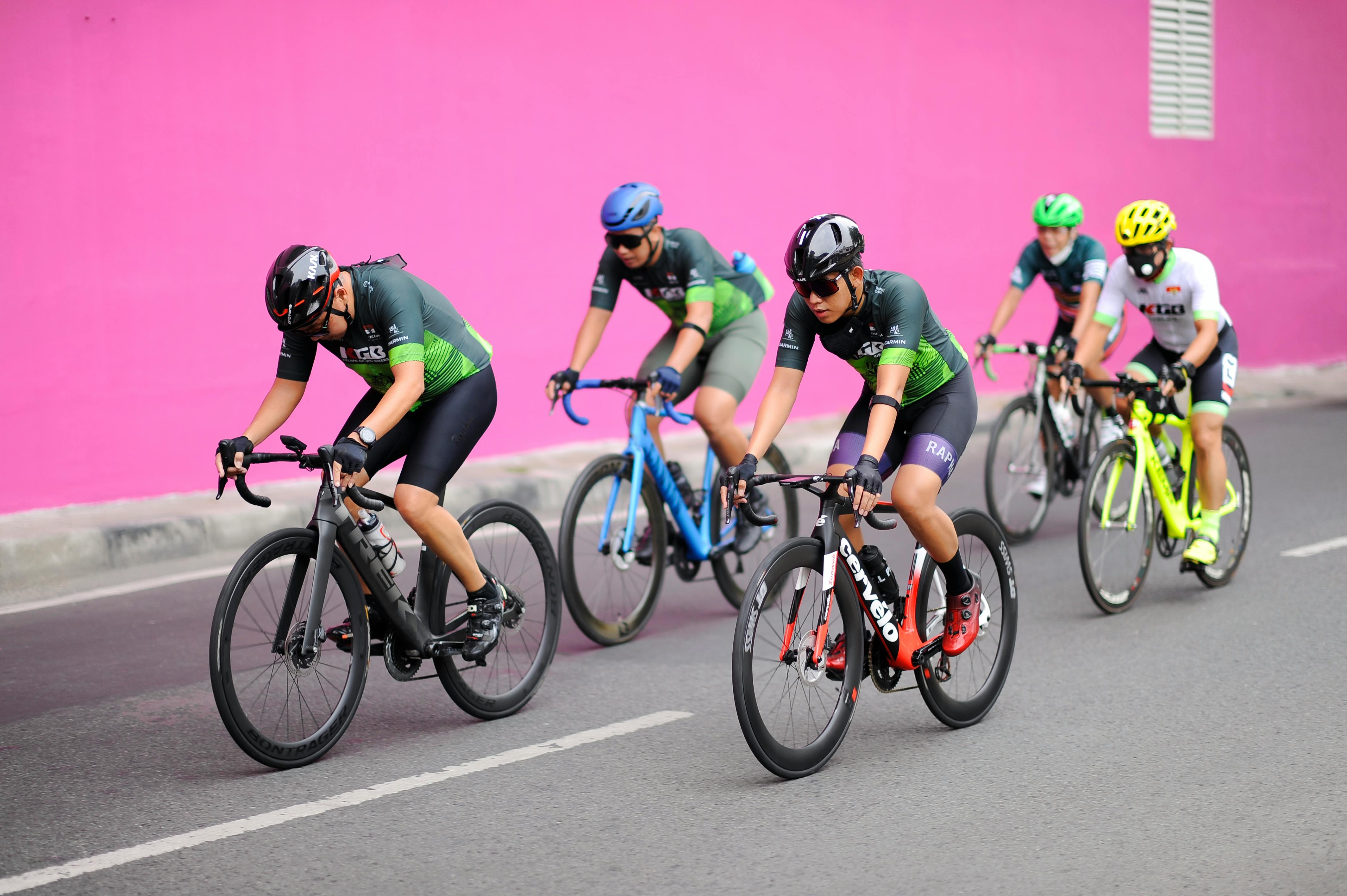
Lower back pain affects many cyclists, especially during longer rides, on climbs, or when training load increases. Although cycling is low-impact, the body stays in a relatively fixed posture for long periods, which can challenge trunk endurance and hip mobility.
Most cycling-related lower back pain is not caused by spinal damage. It’s generally related to load, position, and how well the body tolerates the posture and repetition of cycling.
Here’s a clear look at the main contributors and how to address them.
Cycling places the lower back in a flexed or semi-flexed posture for long durations. For some riders, especially when fatigued, this can feel tight or uncomfortable.
Why it matters:
• The lumbar spine stays in one position for a long time
• Trunk muscles must work to maintain stability
• If endurance is low, tissues fatigue and feel irritated
• Thoracic stiffness can increase lumbar flexion demands
Small technique and strength changes can reduce unnecessary loading.
Position setup plays a big role in how the lower back feels.
Reach too long:
Forces more spinal flexion
Increases load on lumbar extensors
Can cause fatigue and a “tight” feeling mid-ride
Bars too low (aggressive posture):
Requires more hip flexion
Increases lumbar rounding
Challenges trunk endurance
Reach too short:
Makes posture overly upright
Shifts load toward lower back and hips
Reduces ability to stabilise efficiently
Finding a comfortable trunk angle is a balance of mobility, strength, and riding goals.
If the hips cannot move well through the top of the pedal stroke, the lower back often compensates.
Limited hip flexion or rotation can lead to:
• Excess lumbar flexion
• Pelvic rocking
• Increased disc pressure
• Reduced power transfer
When hip mobility improves, the lumbar spine doesn’t have to “help out” as much.
Grinding heavy gears places more load through:
Hip extensors
Lumbar extensors
Deep trunk stabilisers
While this type of work is great for strength, it increases mechanical demand. If fatigue sets in, the back can tighten or ache.
Simple changes that help:
✔ Slightly increase cadence (e.g., 75 → 85 RPM)
✔ Break long climbs into seated + standing efforts
✔ Vary gears rather than sitting in one heavy load
Cycling relies heavily on trunk endurance, not maximal strength.
Riders with lower trunk endurance often notice:
Fatigue after long rides
Collapsing into handlebars
More pressure through hands and wrists
A “rounding through the back” feeling
Back tightening during climbs
Improving trunk endurance can reduce symptoms significantly.
Helpful exercises include:
• Bird dog variations
• Back extensions
• Loaded carries
• Deadlifts (light–moderate)
• Pallof presses
• Hip hinge work
Saddle too high:
Causes pelvic rocking
Increases lumbar side-to-side loading
Irritates back during climbs or long rides
Saddle too low:
Increases hip flexion demands
Transfers stress to hip flexors and lower back
Makes it harder to maintain trunk position
Small adjustments (2–5 mm) often change symptoms quickly.
Back pain often appears during:
Big training weeks
Poor sleep periods
High stress
Consecutive hard rides
When load exceeds recovery, tissue sensitivity increases.
Adjusting intensity or frequency temporarily often improves symptoms.
✔ Increase trunk endurance
Riders with strong, stable trunks tolerate longer and harder sessions.
✔ Improve hip mobility
Especially flexion and rotation.
✔ Adjust position gradually
Change one variable at a time.
✔ Increase cadence
Avoid extended grinding in heavy gears.
✔ Break long rides into sections
Vary load, position, and cadence.
✔ Strength train consistently
2 sessions per week is often enough for noticeable change.
The information in this article is general in nature and does not constitute personalised medical or health advice. Always consult a qualified healthcare professional for assessment and guidance tailored to your individual needs.
