
Hand numbness, tingling or wrist pain on the bike usually relate to pressure, posture, or fatigue. Here’s what contributes to these symptoms and how to reduce them.
Bayley Forbes is an osteopath and strength & conditioning coach based in Ringwood, Victoria. He founded Summit Osteo & Performance to help people bridge the gap between treatment and performance — combining hands-on care with tailored movement and strength programs to support long-term recovery and better performance.
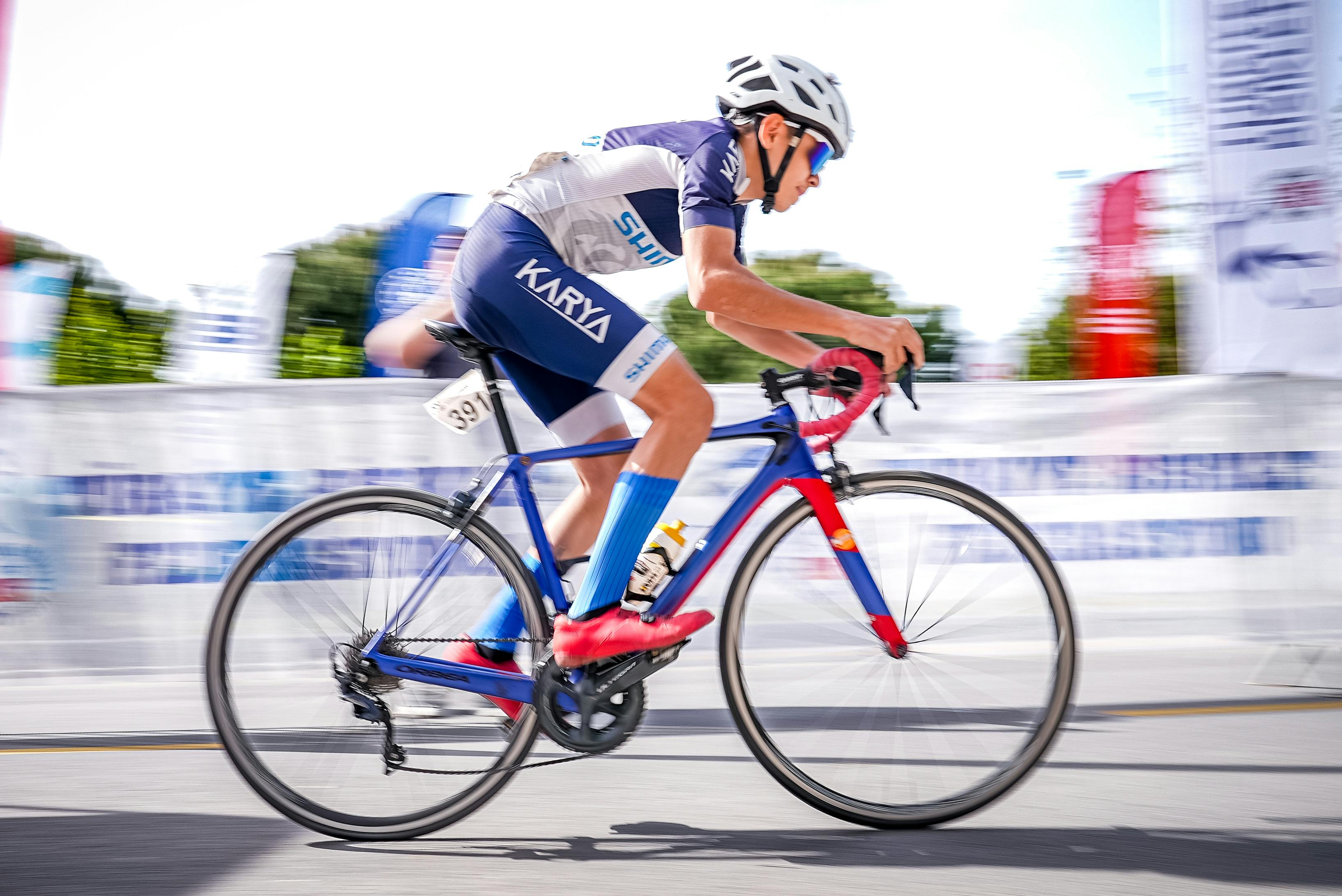
Hand numbness, tingling and wrist pain are extremely common in cyclists — especially on longer rides or rougher roads. These symptoms are usually linked to pressure and load on the hands rather than nerve injury or structural damage.
The ulnar nerve runs through the palm side of the hand near the “heel” of the hand. When pressure builds in this region for extended periods, numbness or tingling can occur — commonly referred to as handlebar palsy.
Most cases are easily modifiable with small changes in position, posture, grip, and strength.
Here’s what drives hand and wrist symptoms and how to improve them.
Cyclists often place more bodyweight through the hands than they realise.
Pressure increases when:
The trunk collapses onto the bars
Trunk endurance fatigues late in rides
The saddle is too high
Reach is too long
Bars are too low
Climbing in a forward-leaned posture
More pressure → more compression on the ulnar nerve.
Wrist extension (bending upward) or excessive ulnar deviation (angled outward) increases load on the nerve and soft tissues.
Common contributors:
• Bars rolled too far forward
• Hoods positioned too high or too low
• Narrow handlebars
• Fatigue causing grip changes
• Excessive braking or gripping
A neutral or slightly relaxed wrist angle reduces compression.
Cycling is repetitive, and holding the same grip position for long periods increases pressure.
Helpful strategies:
✔ Switch between hoods, tops, and drops
✔ Lighten grip pressure
✔ Use padded gloves if helpful (not compulsory)
✔ Adjust bar tape thickness for comfort
Small variations prevent continuous compression in the same spot.
Hand numbness is rarely just a “hand issue.”
If saddle position or trunk endurance is off, more load is transferred forward.
Saddle too high:
Pelvis rocks
Rider pushes weight forward
Hands absorb the load
Reach too long:
Rider stretches to bars
Neck extends more
Shoulders protract
Hands carry more pressure
Improving trunk stability also helps riders stay supported without relying on the bars.
The ulnar nerve becomes irritated when pressure exceeds its tolerance.
Symptoms include:
Numbness in ring or little finger
Tingling or reduced sensation
Achy wrist
Weak grip late in rides
Resolution usually occurs when:
Pressure decreases
Position improves
Strength increases
Grip variety improves
This is typically reversible and not a sign of permanent nerve damage.
Strengthening forearms, shoulder stabilisers and trunk muscles increases endurance and reduces pressure transfer into the hands.
Helpful training areas:
• Wrist flexor/extensor endurance
• Grip strength (light variations)
• Lower trap + serratus work
• Rotator cuff stability
• Trunk endurance
• Light push/pull strength
✔ Adjust hood angle to improve wrist position
✔ Add thicker bar tape or double wrap for gravel riders
✔ Consider slight handlebar height changes
✔ Use gloves for additional cushioning
✔ Ensure saddle isn’t forcing excessive forward lean
✔ Check handlebar width for comfort
Equipment changes should be small and incremental — too many at once makes it hard to track improvement.
These small shifts can relieve symptoms immediately:
Shake out hands every 10–15 minutes
Change grip positions often
Relax shoulders and elbows
Focus on light hand pressure
Break climbs into seated + standing sections
Consistency matters more than intensity.
The information in this article is general in nature and does not constitute personalised medical or health advice. Always consult a qualified healthcare professional for personalised guidance regarding pain or exercise concerns.
