
Your riding position influences how load is distributed through your knees, hips, back, neck and hands. Here’s how small changes make a big difference.
Bayley Forbes is an osteopath and strength & conditioning coach based in Ringwood, Victoria. He founded Summit Osteo & Performance to help people bridge the gap between treatment and performance — combining hands-on care with tailored movement and strength programs to support long-term recovery and better performance.
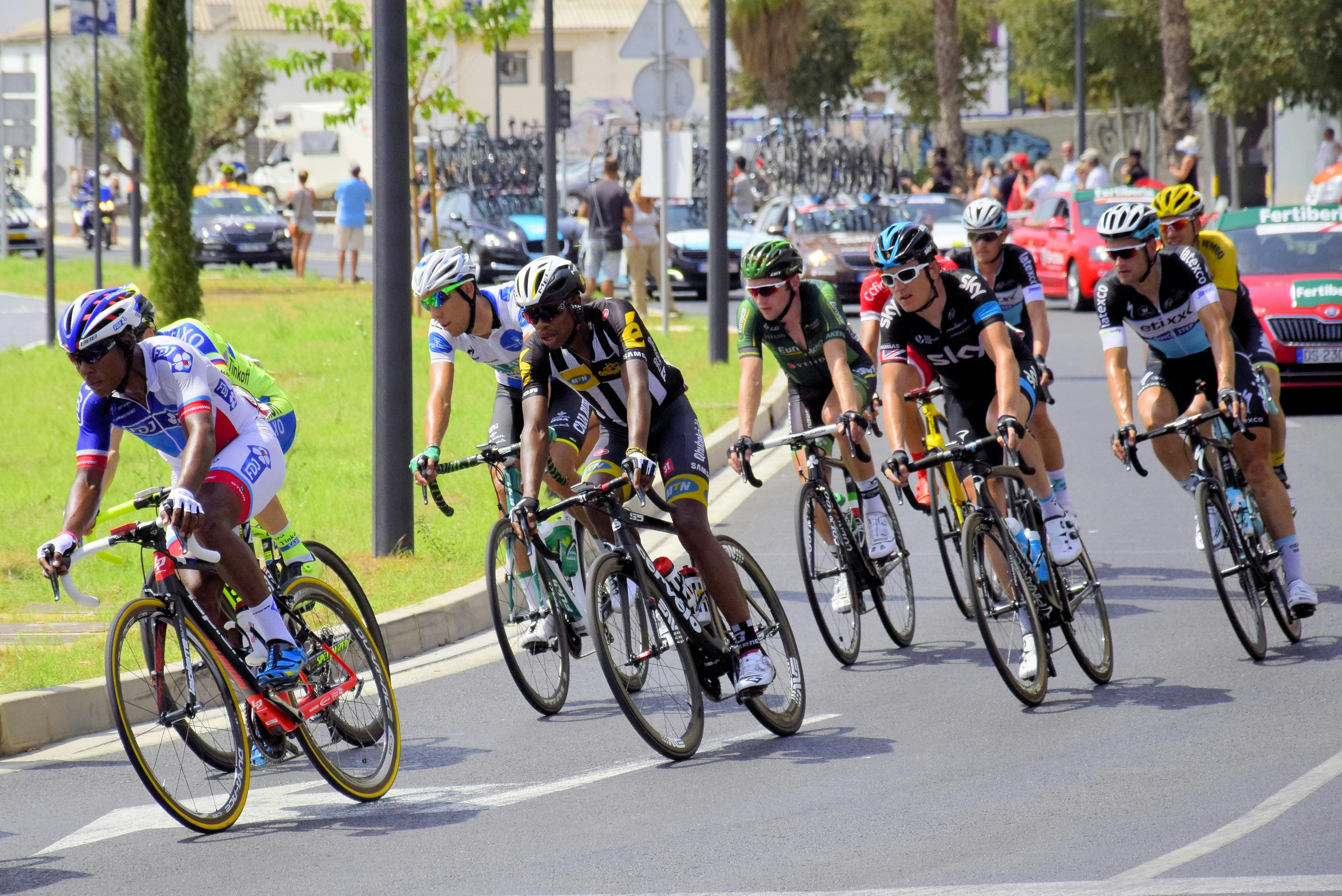
Cycling posture is one of the biggest contributors to comfort on the bike. Small changes in seat height, reach, handlebar position, and trunk angle can significantly influence how force travels through your joints and tissues.
Unlike running, where your body moves through large ranges of motion, cycling is repetitive and mostly fixed. This makes position + load + duration central to understanding why pain appears.
This guide breaks down how different aspects of riding position influence the most common pain areas for cyclists.
Saddle height directly affects knee flexion and extension throughout the pedal stroke.
A saddle that is:
Too low
Increases knee flexion
Loads the front of the knee (patellofemoral joint)
Can irritate the quads and patellar tendon
May cause a “burning” or “pinching” sensation when climbing or pushing harder gears
Too high
Overextends the knee
Increases hip rock and side-to-side motion
Stresses hamstrings and ITB
May irritate the back if the pelvis tilts excessively
Small adjustments — 2–5 mm at a time — often make large differences.
Saddle tilt influences pelvic stability.
Tilt too far nose-down
Forces the rider to slide forward
Loads the hands and wrists excessively
Reduces pelvic stability
Can irritate hip flexors and lower back
Tilt too far nose-up
Increases pressure through soft tissues
Can create numbness or saddle discomfort
May push the pelvis into posterior tilt → increasing low back flexion
Most cyclists do best with neutral or very slightly nose-down (about 1–2 degrees).
Reach affects the angle of your trunk and how much weight is placed through your hands and arms.
If the reach is too long:
The rider must extend their neck more
Shoulder blades must stabilise the trunk for longer periods
Neck and upper back muscles fatigue → ache, tightness, burning
More weight shifts into the wrists, increasing pressure
If the reach is too short:
The trunk becomes more upright
More load goes through the lower back
Breathing efficiency may reduce on climbs or hard efforts
Handlebar height also matters:
Lower bars → more aggressive → more load on neck & hands
Higher bars → more upright → less neck stress but more on glutes & back
Cleat rotation and fore-aft position influence knee tracking and foot stability.
Common issues:
Cleats rotated inward → forces knees inward
Cleats rotated outward → increases lateral knee loading
Cleats too far forward → more calf demand, more foot fatigue
Cleats too far back → reduces calf stress but may affect power delivery
Cleat adjustments require small, precise changes. Large rotations often create new symptoms.
A lower torso angle (more aerodynamic) requires greater hip mobility and trunk endurance.
If hip mobility is limited:
Extra stress moves into the lumbar spine
The back has to flex more to maintain hand position
Fatigue occurs earlier in rides, especially in headwinds or on tempo efforts
If trunk strength is limited:
You “collapse” onto the bars
Increased pressure into hands
Greater strain on mid and lower back muscles
The body adapts well to new positions, but only when changes are gradual.
How you hold the handlebars influences:
Wrist loading
Ulnar nerve compression
Shoulder blade stability
Tension in the neck
Changing hand positions regularly spreads load and reduces irritation.
Signs of poor load distribution include:
Numbness in fingers
Burning across the palm
Wrist ache
Need to constantly shake hands out
A small adjustment to weight distribution (often via saddle height or trunk angle) usually helps.
Riding position doesn’t just affect comfort — it affects how your body tolerates:
Long rides
Big weeks of training
Hills and climbing
Strength sessions
Tempo and threshold work
Most bike-related pain is modifiable, not a sign of something “wrong.”
And equally important:
Strength, mobility, and load management influence position tolerance far more than flexibility alone.
Position + preparedness = comfort.
The information in this article is general in nature and does not constitute personalised medical or health advice. Always consult a qualified healthcare professional for assessment and guidance tailored to your individual needs. If you have concerns about pain, injury, or exercise, please speak with your healthcare provider.
