
Knee pain is the most common issue cyclists experience. Here’s why it develops, what contributes to it, and how small changes in strength, position and load can make a major difference.
Bayley Forbes is an osteopath and strength & conditioning coach based in Ringwood, Victoria. He founded Summit Osteo & Performance to help people bridge the gap between treatment and performance — combining hands-on care with tailored movement and strength programs to support long-term recovery and better performance.
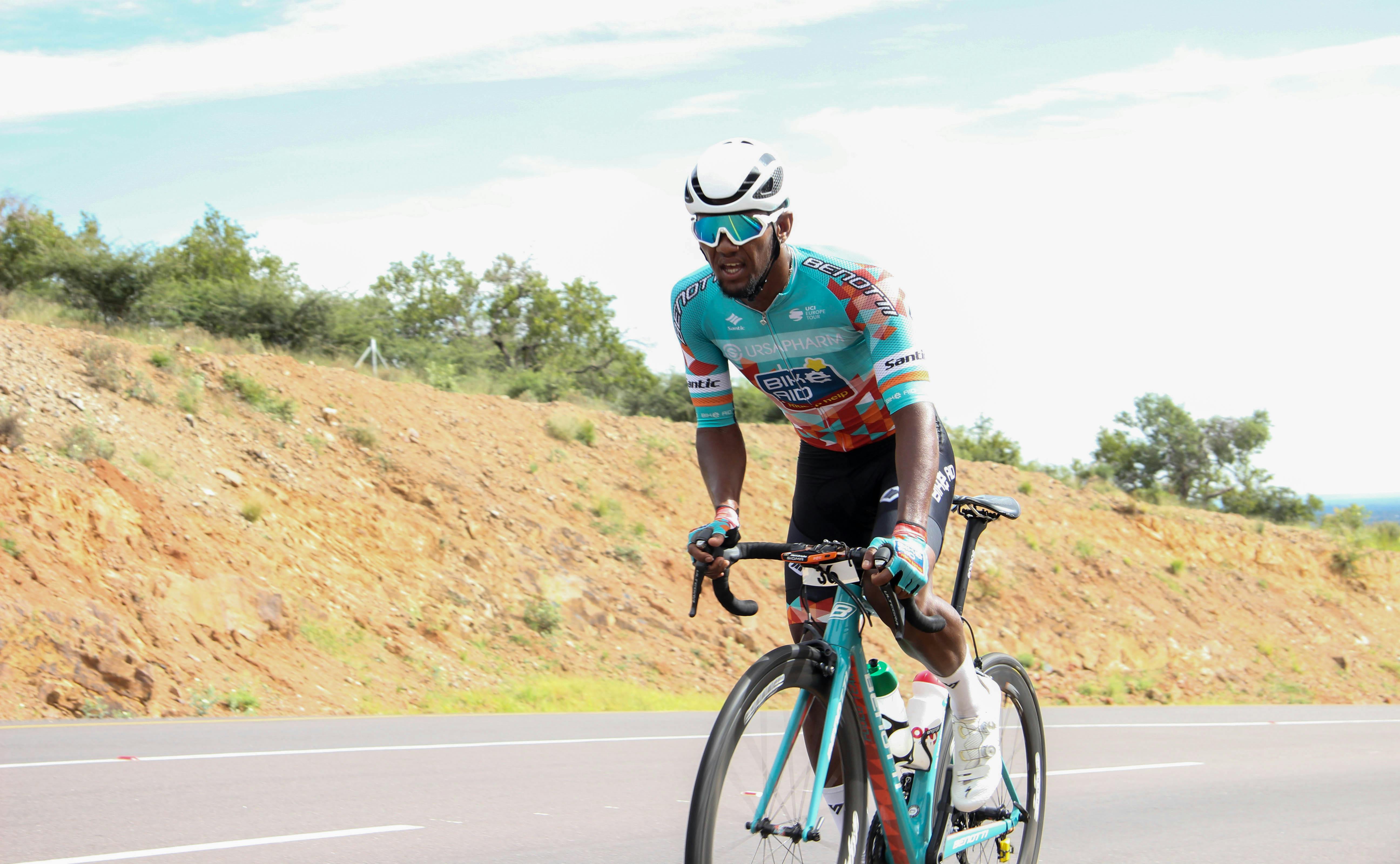
Knee pain is one of the most frequently reported problems among cyclists. Whether it appears during climbs, longer rides, or after increasing training load, the knee often becomes the area that “complains first.”
The key point for cyclists to understand is this:
The knee is almost never the true cause of the problem — it’s the point where load becomes noticeable.
Cycling is repetitive, high-volume and position-dependent. If strength, setup, or load aren’t well matched, the knee tends to feel it early.
Below is a simple, practical breakdown of why knee pain develops and what actually helps.
Saddle too low
Increases knee flexion
Creates more compression at the front of the knee
Makes climbing and pushing hard gears uncomfortable
Often leads to patellofemoral irritation
Low seats place the knee in a more “closed” angle for longer portions of the pedal stroke, increasing stress through the quads and patellar tendon.
Saddle too high
Forces the knee to overextend
Causes hip rocking
May irritate hamstrings or ITB
Shifts pressure into the lower back
Too-high seats stretch tissues beyond their comfortable range, especially during harder efforts.
Small changes (2–5 mm) are often enough to alter knee load.
Many cyclists develop knee pain after:
A block of climbing
A week of big gear work
Returning from time off
Starting intervals without a strength base
Increasing ride volume too quickly
The body adapts well to load — but it needs time.
Pain here is usually a load tolerance issue, not a structural injury.
The knee sits between the hip and ankle.
If the hip isn’t controlling rotation and alignment, the knee takes the stress.
Weakness or endurance deficits in:
Glute med
Hip rotators
Deep hip stabilisers
…can cause altered tracking, especially under heavy load.
Cyclists often feel knee pain on:
Steep climbs
Low cadence grinding
Long tempo efforts
Strength training is one of the most effective ways to improve knee comfort long-term.
Cleat rotation, float, and fore-aft position all affect knee mechanics.
Cleats rotated inward
→ Knee tracks inward → increased patellofemoral stress
Cleats rotated outward
→ More stress on lateral knee structures
Cleats too far forward
→ Higher calf and quadricep demand
Cleats too far back
→ Reduced calf contribution → more hip/knee loading
Cleat changes must be made gradually — even a few degrees can influence symptoms.
Pushing heavy gears at low RPM increases joint torque.
Common times knee pain appears:
Climbing
Into headwinds
Long tempo rides
Big gear intervals
A simple cadence increase (e.g., from 75 → 85 RPM) can significantly reduce knee stress
The knee often compensates when the hip or ankle lacks mobility or control.
Examples:
Tight hip flexors → altered pelvic position → knee overloading
Limited ankle dorsiflexion → poor mechanics at the bottom of the pedal stroke
Stiff thoracic spine → trunk angle changes → different force distribution
Mobility doesn’t need to be extreme — just enough for efficient cycling posture.
✔ Adjust position slowly (1–2 changes at a time)
Seat height, reach, and cleat position are the big three.
✔ Increase load gradually
Follow the “10% rule” only as a rough guide — cycling load is individual.
✔ Strength train 2x per week
Key areas: glutes, quads, calves, trunk.
✔ Vary cadence
Staying in one RPM band for long periods increases repetition stress.
✔ Break long rides into zones
Load variability improves tissue tolerance.
✔ Monitor what triggers pain
Position? Effort? Duration? Cadence?
Patterns tell you where the solution lies.
The information in this article is general in nature and does not constitute personalised medical or health advice. Always consult a qualified healthcare professional for assessment and guidance tailored to your individual needs.
