
Your cadence, pedal stroke and riding technique all influence comfort, power and fatigue on the bike. Here’s how these factors work — and how to improve them.
Bayley Forbes is an osteopath and strength & conditioning coach based in Ringwood, Victoria. He founded Summit Osteo & Performance to help people bridge the gap between treatment and performance — combining hands-on care with tailored movement and strength programs to support long-term recovery and better performance.
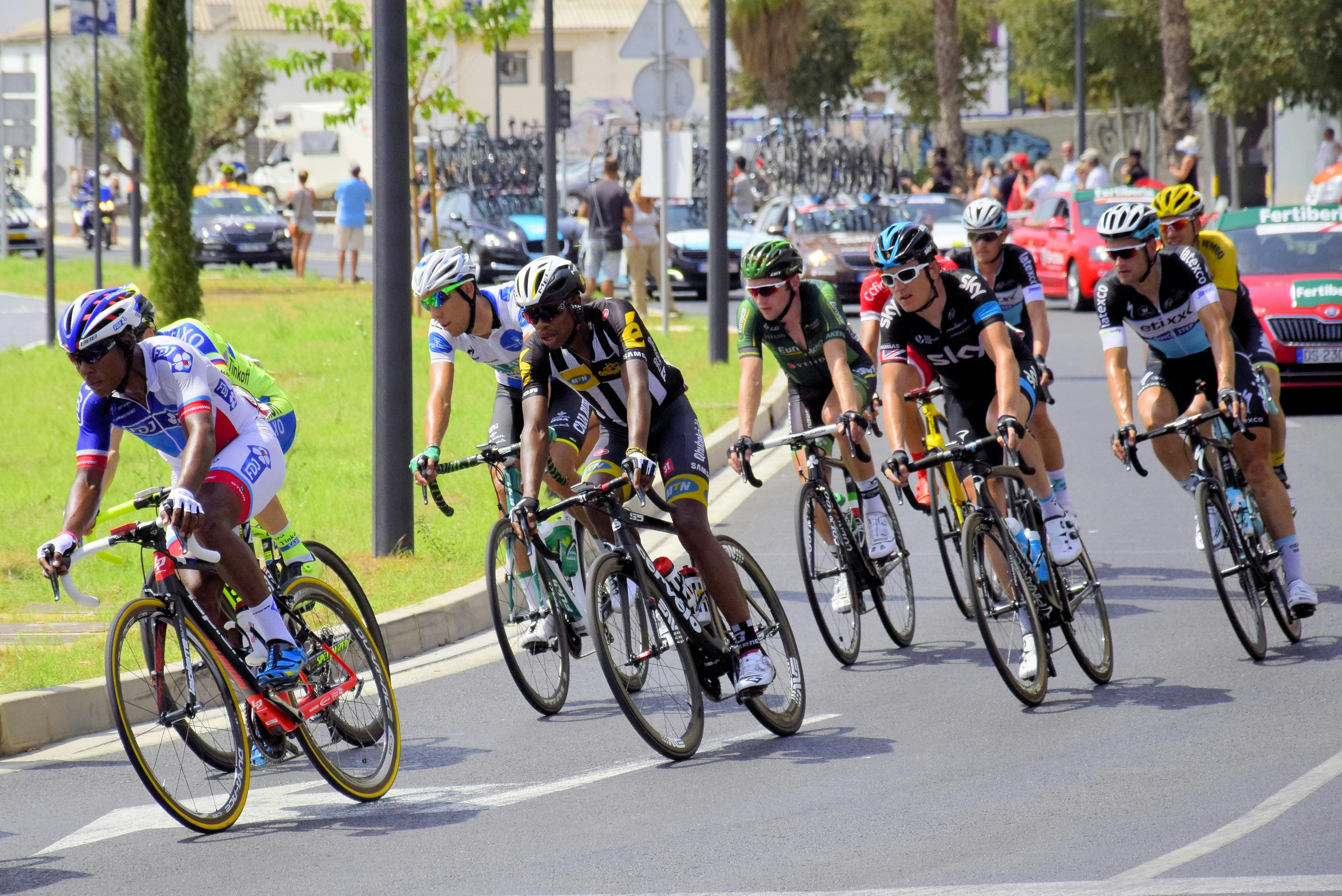
Cycling efficiency isn’t just about fitness or power — it also depends on how smoothly and effectively you apply force through each pedal stroke. Cadence, technique, and pedal mechanics all influence your comfort, energy output, and performance.
Small adjustments can reduce fatigue, improve speed, and make long rides feel significantly easier.
Here’s a breakdown of how cadence and pedalling technique work and how to optimise them.
Cadence is the number of pedal revolutions per minute (RPM).
Different cadences shift the type of load your legs experience.
Low cadence (60–75 RPM):
Higher torque
Greater muscular tension
More strain on knees and hips
Increased fatigue in quads and glutes
Useful for strength development but stressful for long durations
High cadence (90+ RPM):
Lower torque
More cardiovascular demand
Reduced joint load
Often feels smoother and more efficient on flat terrain
Sweet spot cadence for many cyclists:
80–95 RPM
(Varies by rider and terrain)
Cadence efficiency improves naturally with targeted training.
A smooth pedal stroke distributes force throughout more of the cycle. Most riders produce the majority of power during the downstroke, but improving control elsewhere reduces dead spots.
The pedal stroke phases:
1. Downstroke (12–5 o’clock)
Main power phase
Driven by quads and glutes
Where most wattage is created
2. Transition (5–7 o’clock)
Often a dead zone
Hip and hamstring strength help smooth this area
3. Upstroke (7–11 o’clock)
Less about pulling up
More about reducing resistance
Efficient riders keep tension low here
4. Transition (11–12 o’clock)
Prepares for the next power phase
Smooth hip motion helps comfort and flow
Improving technique here can reduce muscular fatigue and knee irritation.
A smooth pedal stroke requires controlled hip movement.
If hip mobility is limited:
Rider struggles at the top of the stroke
Lumbar spine compensates
Hip flexors fatigue early
Pedal stroke becomes choppy
If pelvic control is low:
Rider rocks side-to-side
Saddle discomfort increases
Power transfer reduces
Strength and mobility directly influence technique efficiency.
“Ankling” refers to intentional ankle movement during the pedal stroke.
Most modern research shows:
❌ Overly exaggerated ankling is inefficient
✔ Moderate, natural ankle movement is ideal
Trying to consciously “pull up” or “point toes” often:
Wastes energy
Creates calf fatigue
Reduces smoothness
Can irritate achilles or plantar tissues
Let the ankle move naturally — don’t overthink it.
✔ Maintain a stable pelvis
This increases power transfer.
✔ Keep upper body relaxed
Reduces energy waste and neck/shoulder fatigue.
✔ Use gear selection to manage cadence
Avoid grinding up hills unless purposefully training strength.
✔ Avoid pulling up forcefully on the pedals
Smoothness matters more than force direction.
✔ Build strength off the bike
Improves control during the power phase.
The stronger your hips and trunk, the smoother and more controlled your pedal stroke becomes.
Strength improves:
Power during the downstroke
Control through transitions
Hip stability
Endurance on long rides
Cadence range tolerance
High-cadence spinning (100–120 RPM)
Improves neuromuscular coordination.
Low-cadence climbs (55–70 RPM)
Develops torque and strength.
Cadence pyramids
Teaches efficiency at multiple RPMs.
Single-leg pedalling (short intervals)
Highlights dead spots but should be done cautiously.
Practise cadences across zones — don’t stay in one “comfort RPM.”
You may benefit from technique focus if you notice:
Knee pain at higher power
Hip tightness on climbs
Saddle rocking
Early fatigue
Feeling “choppy” at low cadence
Neck/shoulder tension
Big power variability
Technique is not about perfection — it’s about economy.
The information in this article is general in nature and does not constitute personalised medical or health advice. Always consult a qualified healthcare professional for assessment and guidance tailored to your individual needs.
